Agenda Alliance is a collective of over 100 frontline organisations working together to amplify the voices of women at the sharpest end of inequality. Their work focuses on advocating for trauma-informed, gender-responsive policies that address the complex, intersecting issues these women face, prioritising those at highest risk of harm and least supported by existing structures.
Agenda Alliance approached us to create a powerful 3-minute film that would influence policy makers and professionals by demonstrating how support systems systematically fail women facing multiple disadvantages. They needed content that would make decision-makers empathise with women's experiences of being unheard while presenting clear evidence for why services need to become more trauma-informed and gender-responsive.
The film needed to strike a careful balance - powerful enough to make policy makers feel the urgency for change while maintaining the dignity of the women and avoiding exploitation of their experiences. The tone had to be honest and unvarnished but not sensationalistic, empowering rather than victimising, and solution-focused rather than purely critical.
Key messaging focused on how women's voices are systematically silenced by support services, how multiple barriers create cycles of harm, and how women with lived experience have the solutions but are being overlooked when they should be centred in designing services.
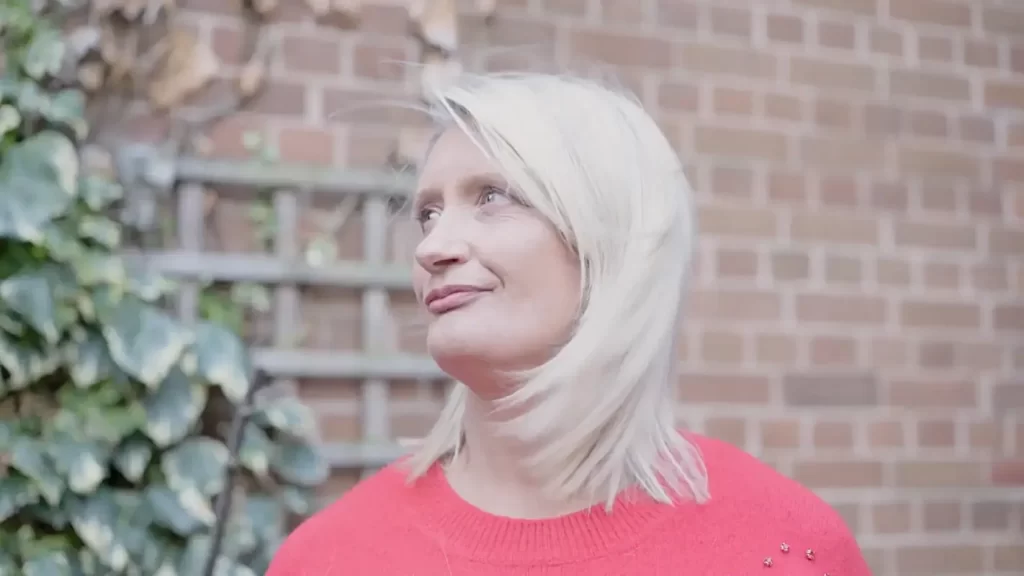
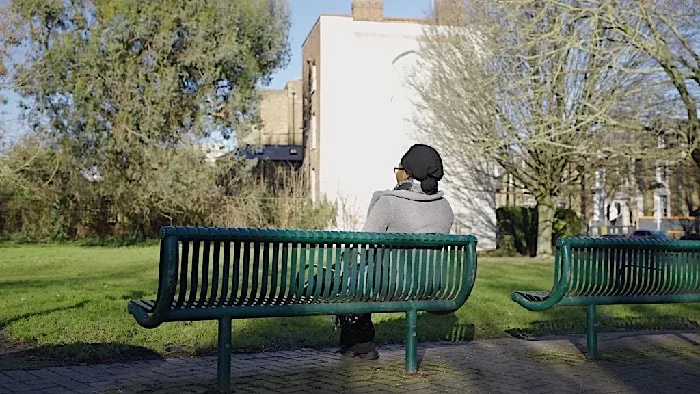
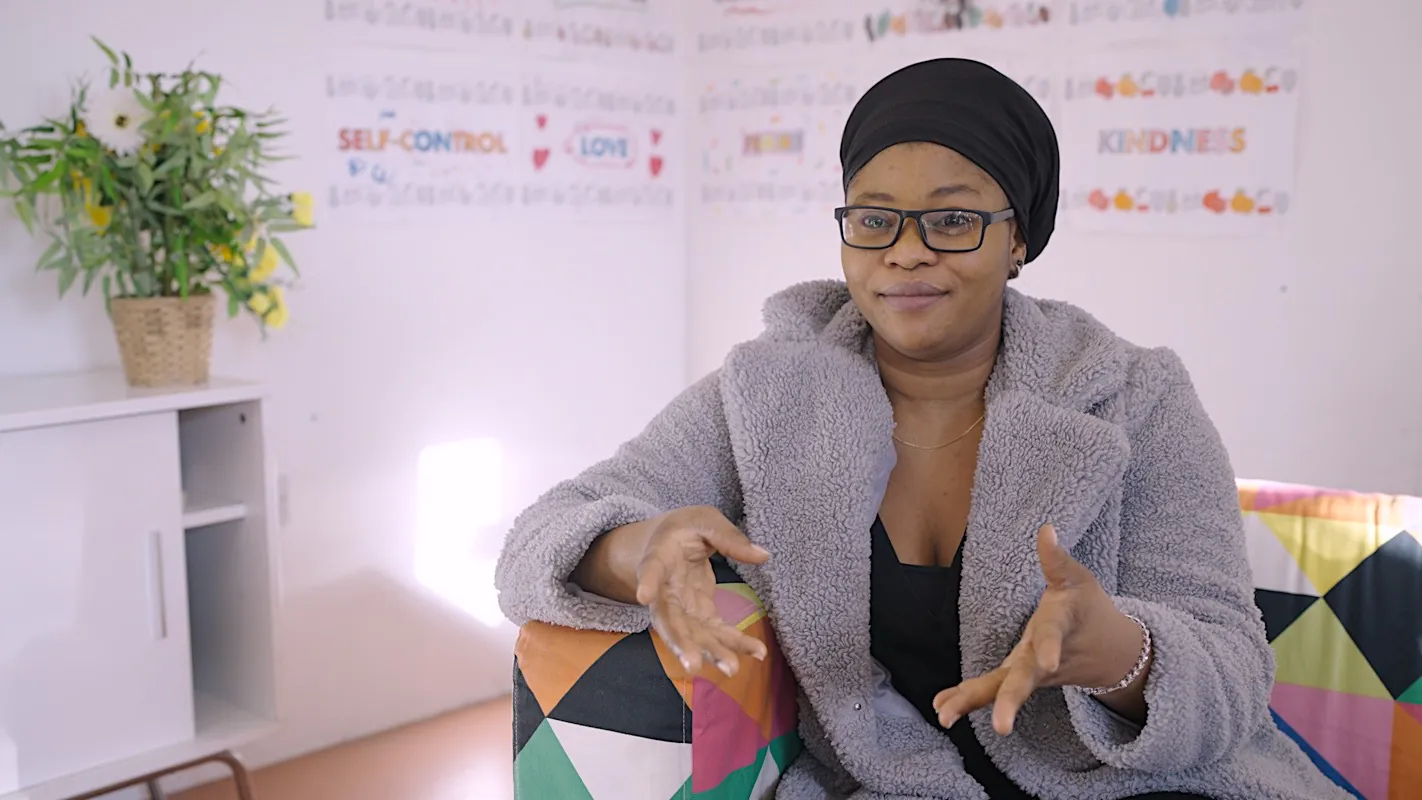
This project represented our most complex co-creation work to date, requiring an unprecedented level of stakeholder management and trauma-informed filmmaking. The film featured two primary contributors: Charlie, who experienced addiction and domestic abuse over many years before finding support through Lancashire Women's trauma-informed programme, and Ola, a woman seeking asylum who faced barriers accessing support due to her immigration status.
Working with Agenda Alliance meant managing relationships with multiple partner organisations across different locations. Unlike our typical approach of working directly with individual contributors, this project required extensive focus groups with women from PECAN and Lancashire Women before we could even develop concepts.
The project ran longer than anticipated, teaching us valuable lessons about the time needed for genuine co-creation with vulnerable contributors. We learned that each group of contributors requires specific ethical approaches rather than broad-stroke trauma-informed practices.
Every stage was designed around creating safety for contributors, allowing them full control over their stories, ensuring ongoing informed consent, and providing support throughout the process. We filmed in comfortable settings chosen by con
The film is now being used by Agenda Alliance as part of their comms and for funding applications. Charlie and Ola reported feeling proud of their participation, with the film giving them confidence to take on additional advocacy roles. Kat gained confidence to apply for spokesperson training through NEON after seeing herself communicate effectively in the film, demonstrating the empowering potential of ethical storytelling.
This project fundamentally shifted our understanding of what ethical filmmaking requires in practice, moving us beyond theoretical trauma-informed approaches to granular, contributor-specific methodologies that we now apply across all our co-creation work.
