4 Minutes
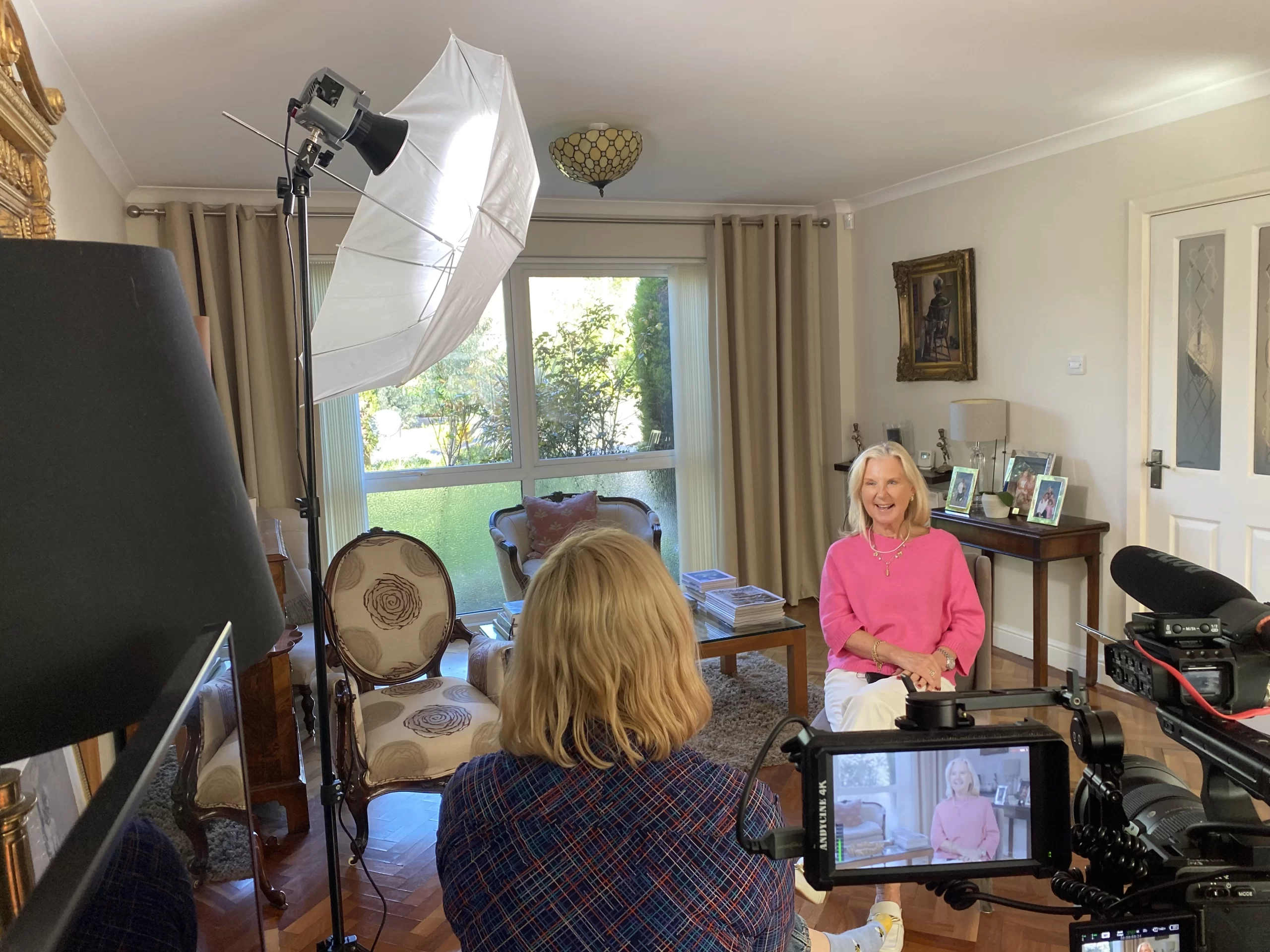
Video has never been more essential to how charities communicate, educate, and inspire. As the digital landscape shifts and audiences evolve, charities and nonprofits are entering 2026 with a critical question: How can we make our charity videos more effective, more strategic, and more human?
If your nonprofit is ready to rethink, refresh, or rebuild your charity video marketing 2026 strategy, this guide will walk you through everything you need to know — from audience insights to storytelling approaches, from campaign planning to measuring ROI.
This is your roadmap to building a video marketing strategy for your charity that is intentional, impactful, and deeply aligned with your mission.
Video is no longer an optional add-on; it’s often the first point of contact between your charity and potential supporters. Studies continue to show that video increases engagement, strengthens emotional connection, and drives action — especially in the charity and nonprofit sector.
Here’s why video remains vital for nonprofits in 2026:
Short-form, mobile-first formats continue to dominate. People are more likely to watch a 60-second clip than read a 600-word update.
Donors want to see impact, hear real stories, and feel connected. Video helps bridge that gap authentically.
You’ll notice it on Instagram, Facebook, LinkedIn, TikTok, and even email: video gets boosted, driving better visibility for your cause.
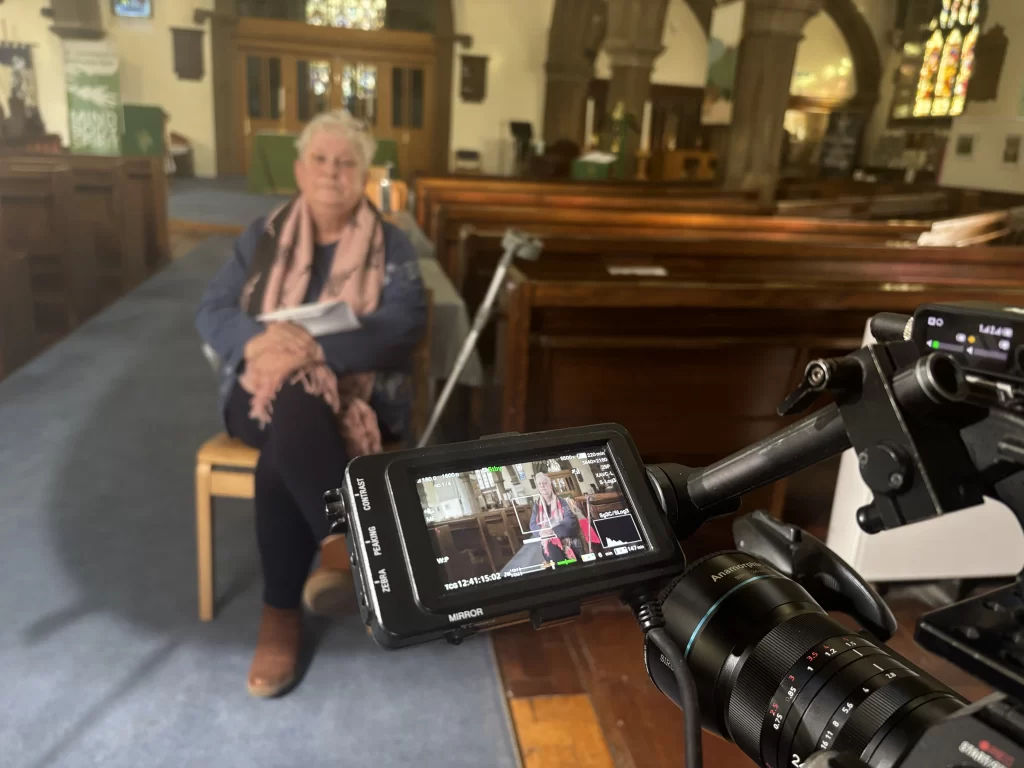
Charity videos let you show transformation, emotion and hope in ways that text simply can’t match.
In 2026, charities that fail to use video as a core communication channel risk falling behind — but those that plan smartly will gain meaningful traction.
Before you pick up a camera or brief a production company, start by deeply understanding who you’re creating for. This is the foundation of any strong video marketing strategy for nonprofits.
Ask yourself:
For example:
When you build your strategy around real people, your content will resonate in deeper and more meaningful ways.
A strong plan needs strong objectives. What do you want your videos to achieve in 2026?
Here are common charity-aligned goals:
Perfect for mission films, brand videos, short-form social content, and awareness campaigns.
Legacy films, fundraising appeals, case study films, and donor-led storytelling are proven to convert.
Behind-the-scenes content, updates, impact stories, and gratitude videos help nurture community loyalty.
Use video to strengthen paid ads, event promotions, and advocacy campaigns.
People are far more likely to volunteer when they feel the human connection.
Your goals will determine the types of videos you invest in, how often you publish, and how you measure success.
Many nonprofits jump into production without reviewing what’s actually working. A proper audit helps you build smarter, not harder.
Evaluate:
Look at your 2025 and early 2026 content with a critical eye. What lessons can be carried forward? What needs a fresh approach?
This is where strategy turns into structure.
A successful annual plan balances:
If you’re wondering how to plan video marketing strategy for your charity or nonprofit, the key is intentionality: mix formats, stories, and platforms so your audience remains engaged all year round.

The heart of charity video marketing is emotional connection. But charity storytelling in 2026 is shifting.
Supporters want:
This doesn’t mean avoiding hard topics. It simply means showing dignity, strength and impact even in painful circumstances.
What stories work best in 2026?
Real humans. Real voices. Real impact.
This is what moves audiences to act.
Gone are the days of creating one big annual film and stopping there. In 2026, charities need a content ecosystem, not a single asset.
Especially for Instagram, TikTok, Facebook Reels, YouTube Shorts.
To humanise your charity and create real-time energy.
A great charity video marketing 2026 strategy leverages all of the above intelligently.
Charities often worry that video is too expensive, but planning actually makes video more cost-effective.
A strong strategy saves both money and time — and maximises impact.
What you measure matters.
Be clear about your success definition before filming begins so every video has a purpose.
If you’re wondering how to plan video marketing strategy for nonprofits, the answer often includes choosing the right support.
A charity-focused production company understands:
The Saltways, for example, specialises in charity videos for UK nonprofits — from legacy films to case studies, from fundraising appeals to large-scale campaigns. Working with experts saves time, protects your story, and ensures your video content reflects your values.
Campaigns, events, and fundraising moments require preparation. The charities that thrive in 2026 will be those who plan ahead and commit to consistent, strategic storytelling.
If video will play an important role in your 2026 goals (and it should), now is the perfect time to map out your ideas, book your shoots early, and build a year-long plan that supports your mission.
A powerful video marketing strategy for charities is not just about producing beautiful films. It’s about creating meaningful human connection.
Charity storytelling in 2026 must be:
intentional
ethical
strategic
hopeful
people-centred
mission-aligned
With the right plan, the right approach, and the right creative partner, your videos can inspire more giving, deepen supporter trust, and strengthen your long-term impact.
The Saltways helps UK charities and nonprofits create films that move hearts and mobilise action.
🎥 Book a FREE Consult with an expert at The Saltways
Let’s build your 2026 video strategy together — with clarity, creativity, and purpose.


© The Saltways 2025
Website Created by excello.mx
